
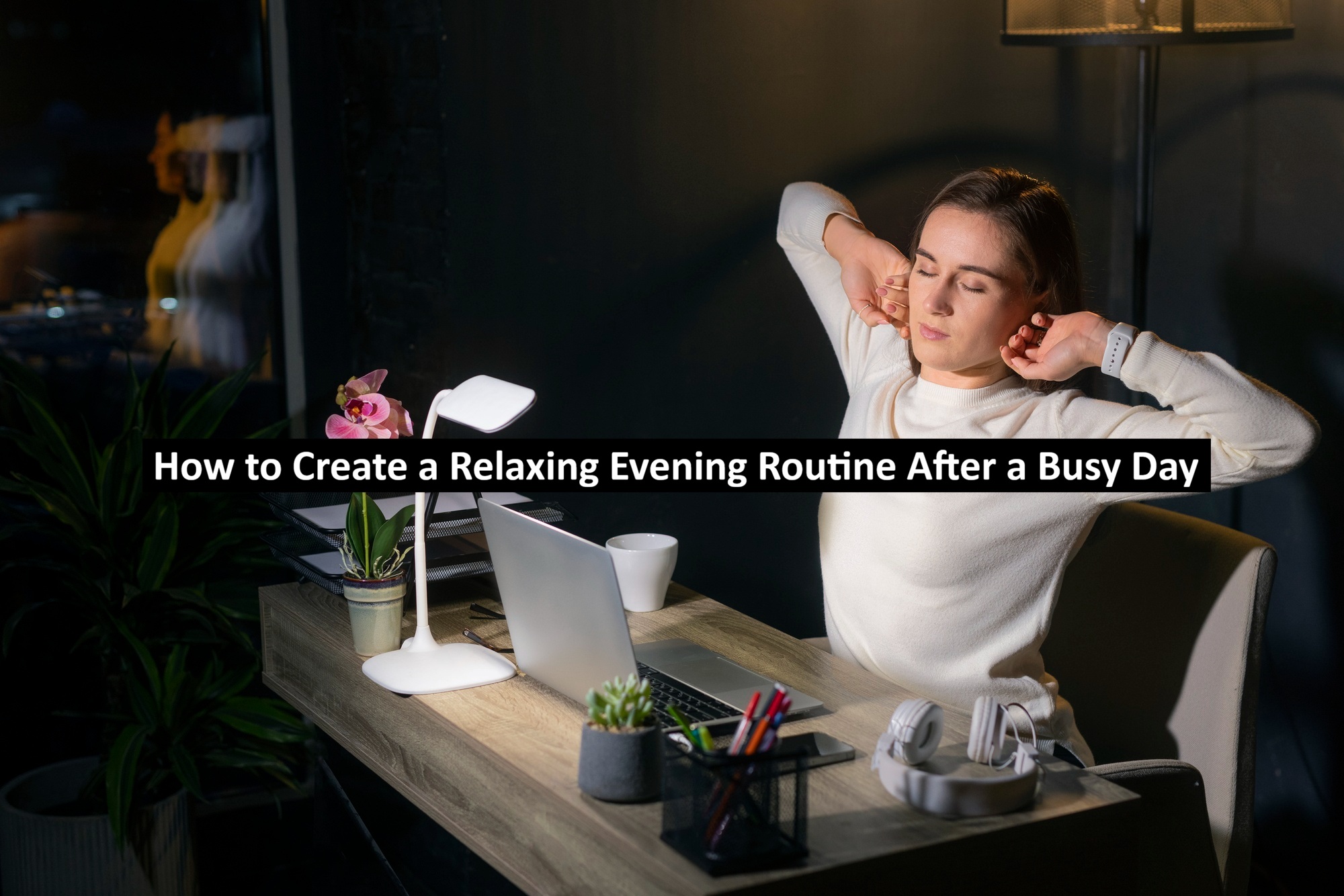
A busy day does not always end when work stops. Sometimes your body is at home, but your mind is still replaying conversations, unfinished tasks, notifications, and everything waiting for tomorrow.
That is why a relaxing evening routine can be so useful. It does not need to be elaborate or perfectly timed. The purpose is simply to create a clear transition between the active part of your day and the quieter hours that follow.
The best evening routines are not about doing more. They are about creating less noise.
Give the Day a Clear Ending
One of the simplest ways to relax in the evening is to create a small ritual that tells your mind the working day is finished.
If you work from home, close your laptop and put it away rather than leaving it open on the table. If you commute, use the journey home as a transition instead of immediately checking more messages.
You might change into comfortable clothes, wash your hands and face, make a drink, or spend a few minutes sitting somewhere different from where you work. The action itself can be simple. What matters is repeating something that signals a change of pace.
Read: Summer Fragrance Tips for Everyday Outings
Avoid Carrying Every Task Into the Evening
Unfinished tasks have a way of following you around mentally. Instead of trying to remember everything, take a few minutes to write down what needs your attention tomorrow. This can include work tasks, errands, appointments, or anything else occupying your mind.
Once it is written somewhere reliable, you no longer need to keep rehearsing it. This small habit can make the evening feel lighter because tomorrow’s responsibilities have a place to go.
Change the Atmosphere Around You
Your environment can help your body understand that the day is slowing down. Bright overhead lighting, constant background noise, and screens everywhere can keep the evening feeling active. Try making the space softer instead.
Turn on a lamp instead of every ceiling light. Close the curtains. Clear a small area of clutter. Put on quieter music if that helps you relax.
You do not need to transform your entire home. Even changing the atmosphere in one room can make the evening feel noticeably calmer.
Let Dinner Be a Pause
Dinner often becomes another task to complete, especially after a long day. When possible, let it become a genuine pause. Sit down rather than eating while standing in the kitchen. Step away from work. Put your phone somewhere else for at least part of the meal.
You do not need to prepare something complicated. A simple meal can still feel restorative if you allow yourself to actually experience it. The goal is to give your attention somewhere other than the demands of the day.
Create a Low-Effort Reset
A relaxing evening does not always mean immediately lying down and doing nothing. Sometimes a small reset can make the rest of the night feel better.
Take ten minutes to tidy the kitchen, put away clothes, prepare something for the morning, or clear the surface you use most often. Keep it short.
This is not the time for deep cleaning or starting another project. The idea is to reduce tomorrow’s friction without turning your evening into another productivity session.
Choose One Activity That Helps You Unwind
You do not need five different relaxation techniques. Choose one thing you genuinely enjoy. That might be reading, watching an episode of a show, taking a walk, listening to music, stretching, journaling, doing skincare, or sitting with a cup of tea.
The activity should feel easy rather than impressive. If your version of winding down is completely different from what you see in wellness routines online, that is fine. Relaxation works best when it actually suits you.
Make Grooming Part of the Wind-Down
Evening grooming can become one of the most natural parts of a calming routine. A shower can help create distance from the day. Washing your face, brushing your teeth, moisturizing your skin, or combing your hair can all become small signals that you are moving toward rest.
Try not to rush through every step. You do not need to turn basic grooming into a luxury ritual, but slowing down slightly can make familiar habits feel more comforting. The routine becomes less about appearance and more about closing out the day.
Reduce Stimulation Gradually
Going from constant activity to complete stillness can feel surprisingly difficult. Instead of expecting yourself to switch off instantly, gradually reduce stimulation as the evening continues.
Lower the volume of whatever you are watching. Stop checking work messages. Move away from short-form content that encourages endless scrolling. You might decide that the final half hour before bed is reserved for something quieter.
This gradual slowdown can feel much more natural than forcing yourself into an overly strict bedtime routine.
Prepare for the Morning Without Living in Tomorrow
A small amount of preparation can make bedtime more peaceful. Choose what you are wearing, pack a bag, place your keys where you will find them, or prepare breakfast if that helps your mornings run more smoothly.
Once you have done enough, stop. There is a difference between preparing for tomorrow and mentally beginning tomorrow before today has even finished. The evening should still belong to the present.
End the Day With Something Familiar
A good evening routine does not need to be exciting. In fact, familiarity is often what makes it calming. Repeating a few simple actions can help your mind associate them with rest, whether that is washing your face, reading a few pages, listening to the same playlist, or setting out what you need for the morning.
Personal touches can make the routine feel even more enjoyable, from comfortable sleepwear to a favorite body lotion or a fruity floral women’s perfume you enjoy after an evening shower. The goal is not to perfect your nights, but to create a gentle ending that makes the day feel complete.